
Every Time You Say Yes, You’re Saying No to Something | Manufacturing Team Leadership
In manufacturing, capacity isn't unlimited, but the requests on your time often feel like they are. Plant managers, supervisors, and frontline leaders face constant pressure to say yes to every ask, every delegation, every "can you help with this" that lands on their desk. The result is over-commitment disguised as busy work, where priorities blur, results slip, and the boss keeps adding to your plate without knowing what it costs. Real leadership isn't about saying yes to everything. It's about ownership over your time, clarity on your priorities, and the boundaries that protect the work that actually matters.
If you want stronger productivity, better trade-offs, and a culture built on curiosity instead of overwhelm, it starts with understanding what every yes actually costs you.
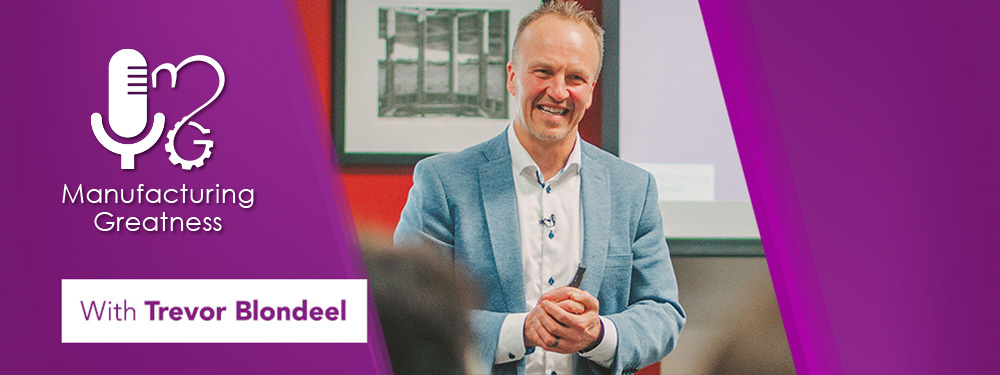
On the Manufacturing Greatness podcast with Trevor Blondeel, we work with organizations to manufacture greatness by leveraging the resources you already have to achieve greater retention, productivity, and profits.
Here's the math leaders rarely do. When you say yes to a new task, you're automatically saying no to something else, whether you realize it or not. Maybe it's a no to the project you already committed to. Maybe it's a no to your own focus for the day. The problem is that most leaders don't pause long enough to see the trade-off before agreeing. They just say yes because it feels easier than the conversation, easier than pushing back on a boss or a peer.
This is where capacity becomes the real conversation. Every supervisor, manager, and team leader has a limit, even if nobody talks about it openly. Knowing your capacity means knowing what's already on your plate: your core responsibilities, your daily distractions, and the requests already piled up. Without that awareness, busy becomes a substitute for productive, and the important work gets pushed aside for whatever feels most urgent in the moment.
Reframe the Conversation Instead of Just Saying No
Saying no doesn't have to mean shutting someone down. The better move is a reframe: "I want to help. Here's what I'd have to move to make that happen." This shifts the conversation from refusal to trade-offs. It forces clarity around priorities instead of just absorbing more work and hoping it gets done.
This works in both directions. If you're the one delegating, ask your team what they'd need to move to make room for the new task. If you're the one being asked, offer options instead of a flat yes or no. This isn't about avoiding responsibility. It's about having an honest conversation about what's realistic, so leadership doesn't default to "make it happen" without understanding the actual cost.
Curiosity Beats Assumptions Every Time
One of the most overlooked leadership skills is curiosity, especially when delegating. It's easy to assume someone is being lazy or can't handle multiple projects when they hesitate to take something on. But most people in manufacturing want to do good work. The real issue usually comes down to capacity, not effort or intention.
Instead of assuming, get curious. Ask what taking on a new task would actually mean for someone's existing workload. Ask what they'd need to move or delay. This single shift, leading with curiosity instead of pressure, turns a potential conflict into a productive conversation about safety, quality, and output. It also builds trust, because people feel heard instead of steamrolled.
The Bigger Shift
None of this means avoiding hard conversations. It means having better ones. A "not right now" is different from a flat "no", and most requests have more flexibility than leaders assume in the moment. When you build a culture where trade-offs are discussed openly, where capacity is respected, and where curiosity replaces assumption, you get stronger results across the board: better safety, better quality, and higher productivity from teams that don't feel buried.
Leadership isn't about absorbing every request that comes your way. It's about protecting the work that actually drives results, and that starts with one honest conversation at a time.