
The Week-One Blind Spot Costing You New Hires | New Hire Onboarding
Onboarding, mentorship, and retention are reshaping how manufacturing leaders think about hiring and workforce engagement. Frontline turnover remains one of the biggest challenges facing plant leadership today, and closing the expectations gap between supervisors and new employees starts with culture, not just training. From coaching and belonging to building trust between team members and their frontline leader, manufacturing organizations that prioritize mentorship in the first week see stronger workforce retention, better engagement, and a more resilient plant culture overall.
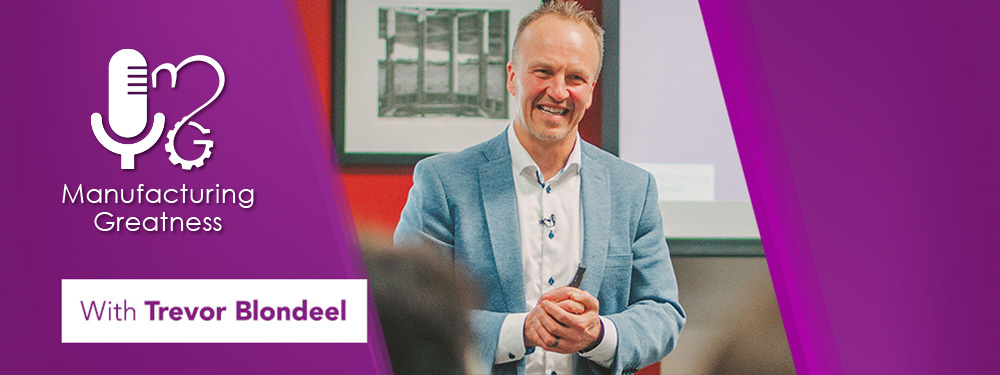
On the Manufacturing Greatness podcast with Trevor Blondeel, we work with organizations to manufacture greatness by leveraging the resources you already have to achieve greater retention, productivity, and profits.
Onboarding in manufacturing often stops at safety videos and SOPs, but frontline retention depends on something far simpler: connection. A national study of 1,250 people working in or interested in manufacturing and transportation and logistics roles across Canada and the US found a major expectation gap between what leadership assumes new hires need and what workforce engagement actually requires in week one.
For plant leadership focused on turnover, hiring, and workforce retention, this data points to a near zero cost fix that most manufacturing culture overlooks entirely.
1. The Mentorship Gap Between Frontline and Leadership
The research, conducted with the Center of Generational Kinetics, revealed a striking disconnect. Forty six percent of frontline team members said having one person to answer questions in their first week mattered most for feeling welcomed. Only 34 percent of managers and executives ranked a first week mentor as important. That twelve point gap represents a blind spot in onboarding strategy, one that quietly drives turnover before a new hire even learns their way around the plant. When frontline expectations diverge this much from leadership assumptions, retention suffers in the first 30, 60, and 90 days.
2. Why a Peer Mentor Beats Leader-Led Onboarding
Assigning a team member, rather than a supervisor, as a first week mentor tends to work better for building belonging and trust. Frontline leaders juggle quality issues, production pressure, and daily fires, which means new hire attention often slips once initial training wraps up. A dedicated peer mentor stays present, answers questions without hesitation, and helps a new employee feel like part of the culture rather than just another number filling a station. This kind of coaching relationship closes the expectation gap fast and gives new hires a reason to stay past that critical first week.
3. Turning Mentorship Into a Retention and Engagement Strategy
Clear expectations around break times, communication, flexibility, and daily routines matter, but they only work when paired with genuine relationship building. Supervisors and plant leadership should treat mentorship as an accountability priority, not an afterthought handed off to whoever has time. Asking new hires "what's on your mind" during that first week surfaces early warning signs and builds the kind of workforce engagement that reduces turnover long term. This mindset shift, from checklist onboarding to relationship-driven onboarding, gives manufacturing leaders a real competitive edge in hiring and retention.
The data is clear that frontline employees are asking for connection, not just training, in their first week on the job. Plant leaders who close this expectation gap by pairing every new hire with a mentor stand to see meaningful improvement in retention and engagement across their workforce.
Manufacturing Greatness will continue sharing more findings from this research through the newsletter as this conversation around onboarding, culture, and frontline leadership continues.