
Manufacturing Retention and Team Engagement: Why Leaders Must Reduce Uncertainty
In manufacturing, leaders are taught to standardize, systemize, and repeat what works. While that approach is critical for machines and processes, it often breaks down when applied to people. If you try to take the same approach with two different team members, it could have vastly different results. One action might make a team member feel motivated, while the very same action could leave someone else feeling overwhelmed.
Why does this happen? It’s all about brain science.
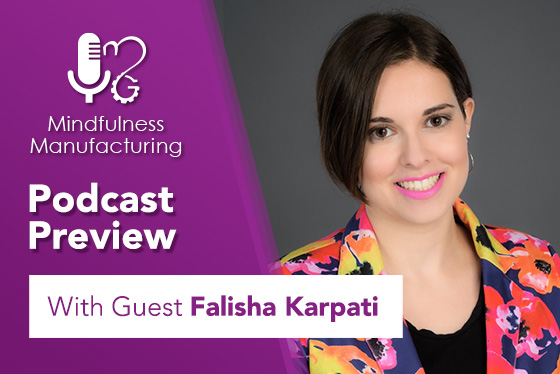
On the Manufacturing Greatness podcast, I recently had the chance to talk with a brain science expert: Falisha Karpati, a Brain-Based Inclusion Consultant. Using her PhD in neuroscience and her own unique frameworks, Falisha works with frontlines leaders to harness brain science and build more inclusive, human-centered organizations.
If you’ve ever wondered why one leadership action can mean vastly different things to different employees, here are three brain-based lessons you can learn from Falisha.
#1: Ask, Don’t Assume
In high-pressure manufacturing environments, many leaders like to take shortcuts. One of these shortcuts is assuming others want the same things we want, like recognition, autonomy, feedback, or communication. However, all brains are different. For example, some people might enjoy public recognition while others find it overwhelming. Or some team members might benefit from frequent check-ins, while others might perceive it as micromanagement.
To close this gap, practice curiosity-driven leadership. Ask simple questions like: “what helps you do your best work?” or “how do you prefer to receive feedback or recognition?” By turning to questions instead of assumptions about what others want, you’ll build trust and strengthen your on-the-floor relationships.
#2: To Improve Performance, Minimize Uncertainty
On the shop floor, uncertainty is a silent productivity killer. If expectations are unclear, people start guessing or making assumptions, which can widen the gap between teams and their leaders.
To create a stronger culture, focus on clear communications, defined expectations, and all-around transparency. When you have clarity and transparency, it reduces stress and supports a more productive, safer environment for all.
#3: Create Space for Every Voice
Many manufacturing meetings reward the fastest talkers, not the best ideas. When this happens, you might miss out on insights, innovations, and opportunities to make improvements.
To make sure you’re creating space for every voice, find ways to make your meetings more inclusive. Make sure you’re fostering an environment where your entire team can prepare, reflect, and contribute in different ways. This might mean allowing for short pauses, have a structure for letting everyone voice their thoughts, or implementing a written idea sharing process. When you have most inclusive meetings, you’ll find ways to unlock engagement and drive continuous improvement.
Learn More on Manufacturing Greatness
Manufacturing excellence isn’t just about running better processes. It’s about leading humans better, which starts with curiosity, clarity, and creating space for people to show up fully. To hear more with Falisha Karpati, tune in to her episode of the Manufacturing Greatness podcast here.